
-
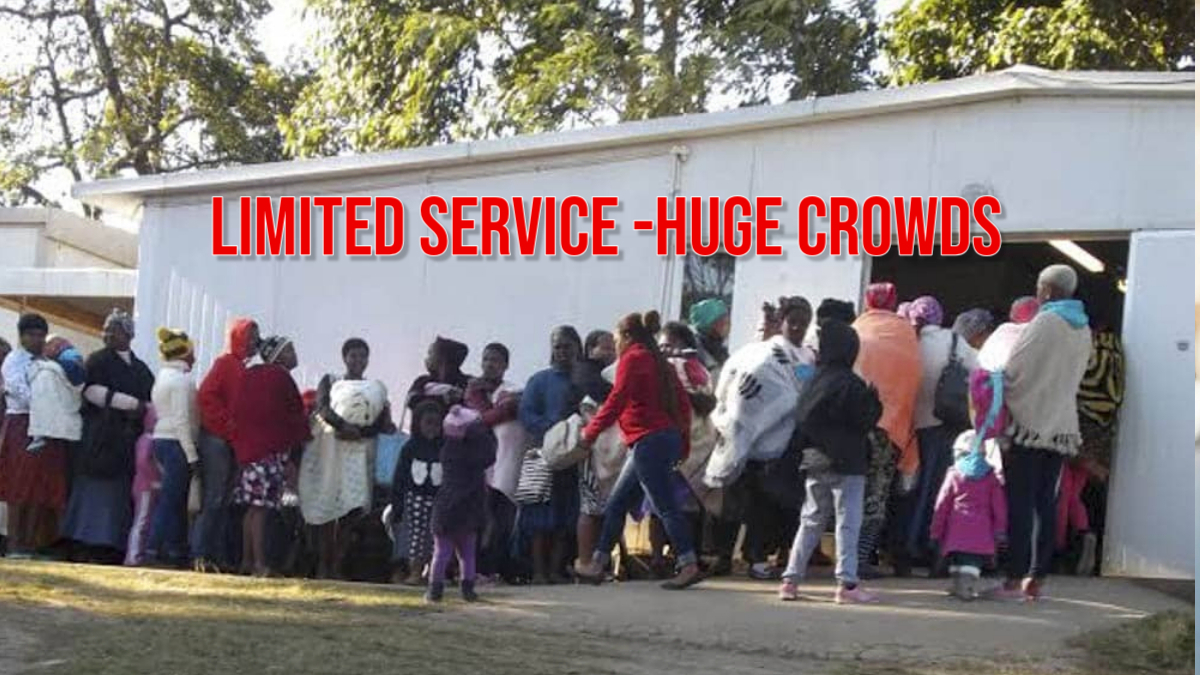 One year after USAID was disbanded and financing for development projects was drastically reduced, the consequences are playing out quietly—but profoundly—across many communities. Having worked for decades with grassroots populations and local service providers, I have seen what this moment looks like on the ground. Clinics have closed or scaled
 -
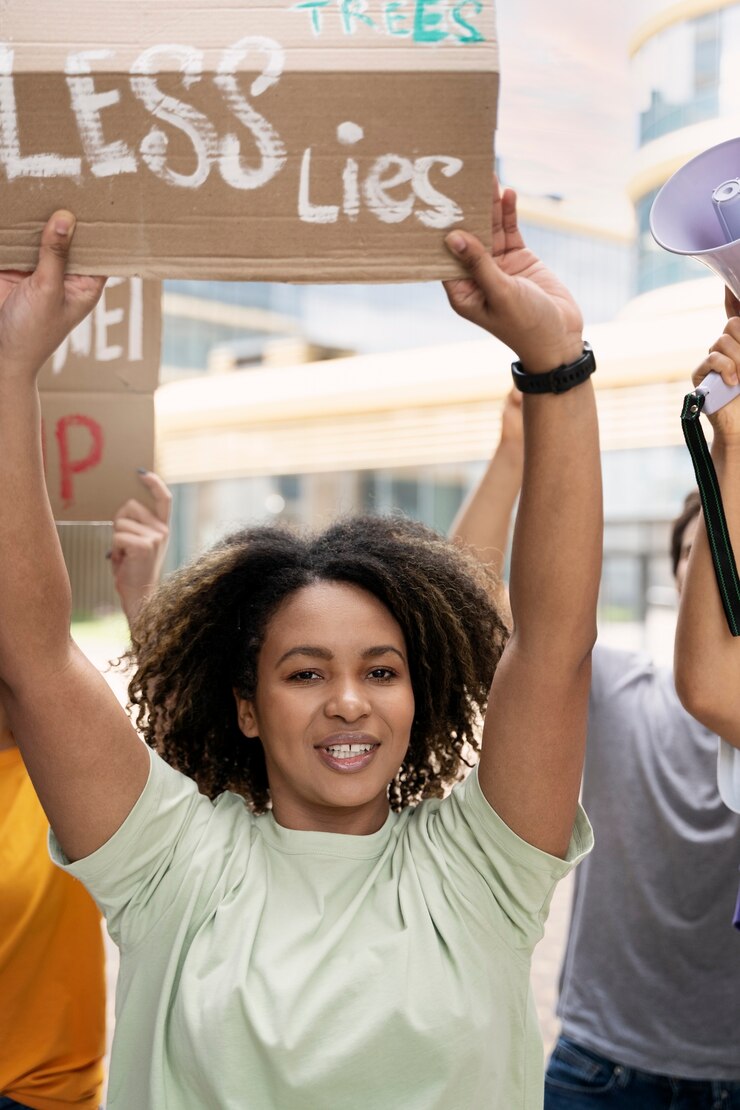 The shocking video of a women lying on the sidewalk while another woman is performing a cesarean section on her and placing the lifeless bodies of her twin babies on her stomach as some onlookers gaze in silence and horror while others record the incident on their phones begs the question – is the life of a poor woman
 -
The importance of evidence-based approach to achieving gender equality, diversity and inclusion: After years of experience in the promotion of gender equality, equity, diversity and economic and social inclusion, I have found that the collection, analysis and use of qualitative and quantitative data – disaggregated by sex, age, locality, ethnicity etc. –
-
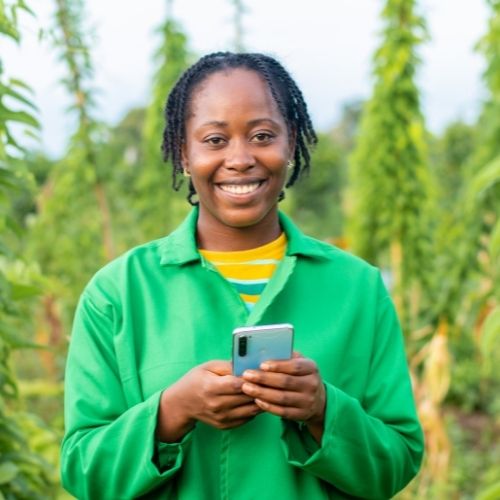 Sustainable development is a crucial aspect of ensuring a better future for everyone, particularly in developing countries. One of the most effective ways to promote sustainable development is by reducing poverty, which has a significant impact on the livelihoods of children, youth, and women. One of the best ways to
 -
Intersectionality from concept to practical tools in the design and implementation of gender equality and social inclusion programs. I have been reading about intersectionality, a termed coined by Kimberlé Crenshaw in 1989 and beautifully explained in her TED talk using the example of DeGraffenreid v. General Motors (1976) to illustrate the point. To summarize